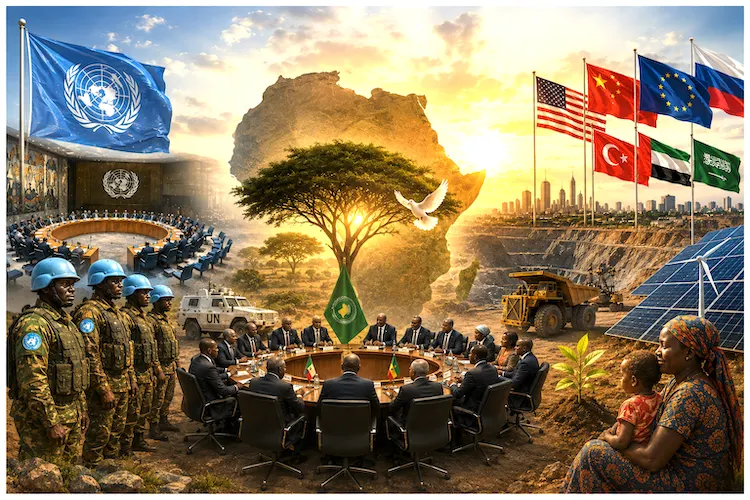
There was a time when Africa was often portrayed as standing at the margins of international politics—its conflicts treated as regional crises, its development challenges largely divorced from the wider currents shaping the global order. That perception no longer holds. Today, almost every major geopolitical fault line has an African dimension. The war in Ukraine has disrupted food supplies across the continent.
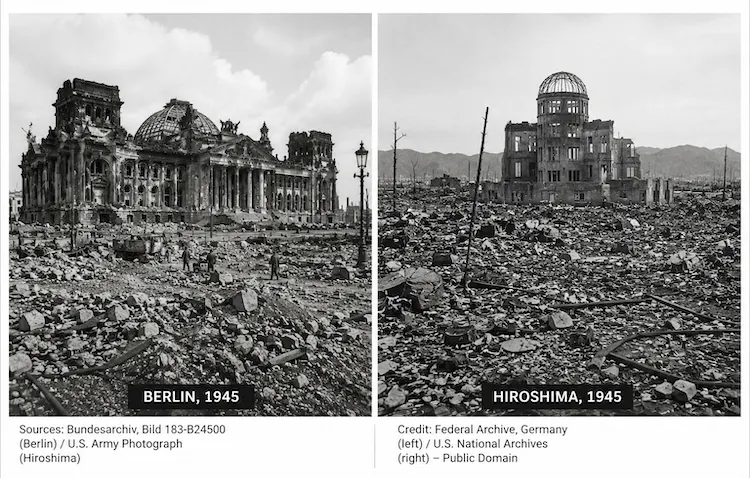
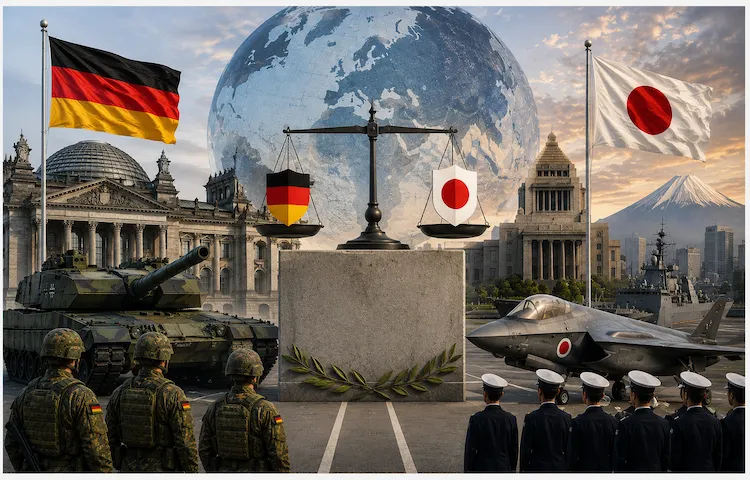
Eighty years after World War II, Germany and Japan—once defined by constitutional restraints on military power—are rebuilding their armed forces as the international order grows increasingly uncertain. Their transformation is reviving old debates about war, memory, nuclear weapons and the fragile
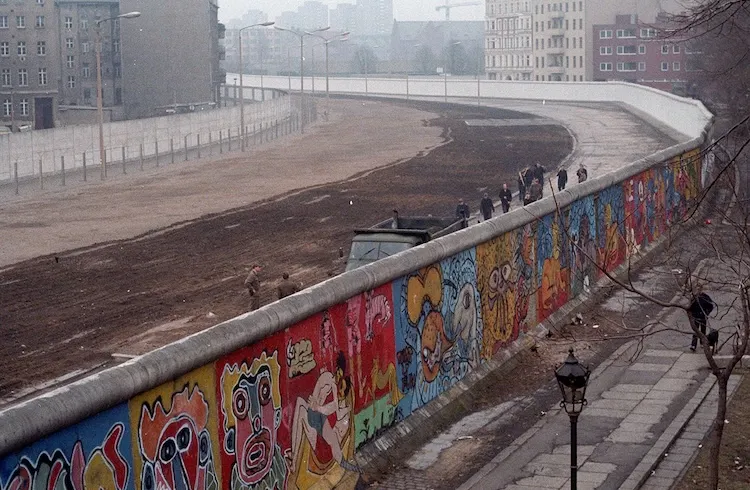
For much of the three decades following the collapse of the Soviet Union, it appeared that one of the great questions of modern politics had finally been settled. The Cold War was over. Liberal democracy seemed triumphant. Globalisation was transforming economies and societies at a pace never seen before.
The people carrying peace banners outside Germany’s parliament are growing older. Many marched against nuclear weapons during the Cold War. Some protested NATO missile deployments in the 1980s. Others opposed the Iraq War or campaigned for nuclear disarmament.
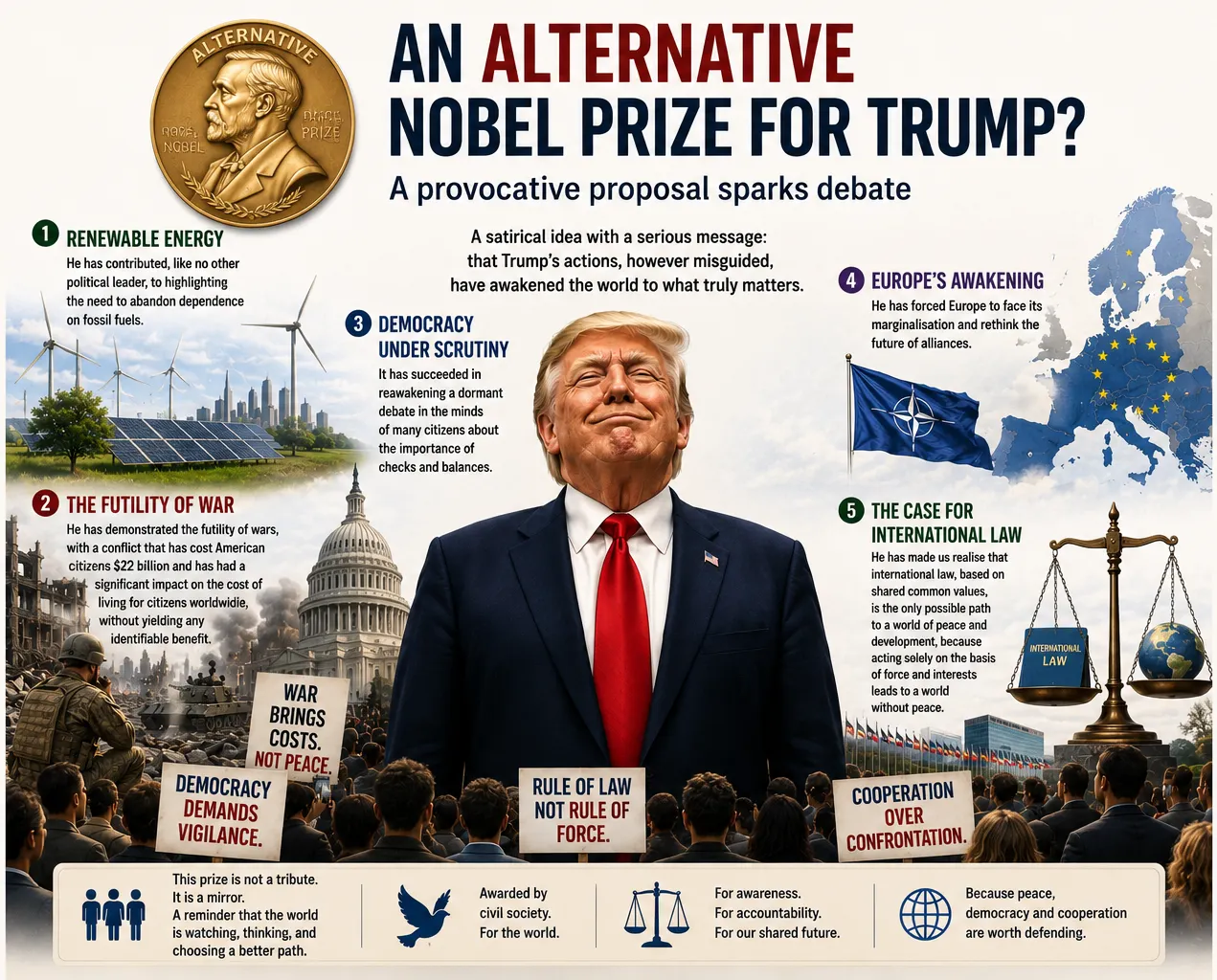
This is the daring idea from veteran Italian journalist and media innovator Roberto Savio, founder of Inter Press Service (IPS) and publisher of Other News. In a widely shared personal appeal, Savio proposes an “Alternative Nobel Prize” for U.S. President Donald Trump—not as an honour,
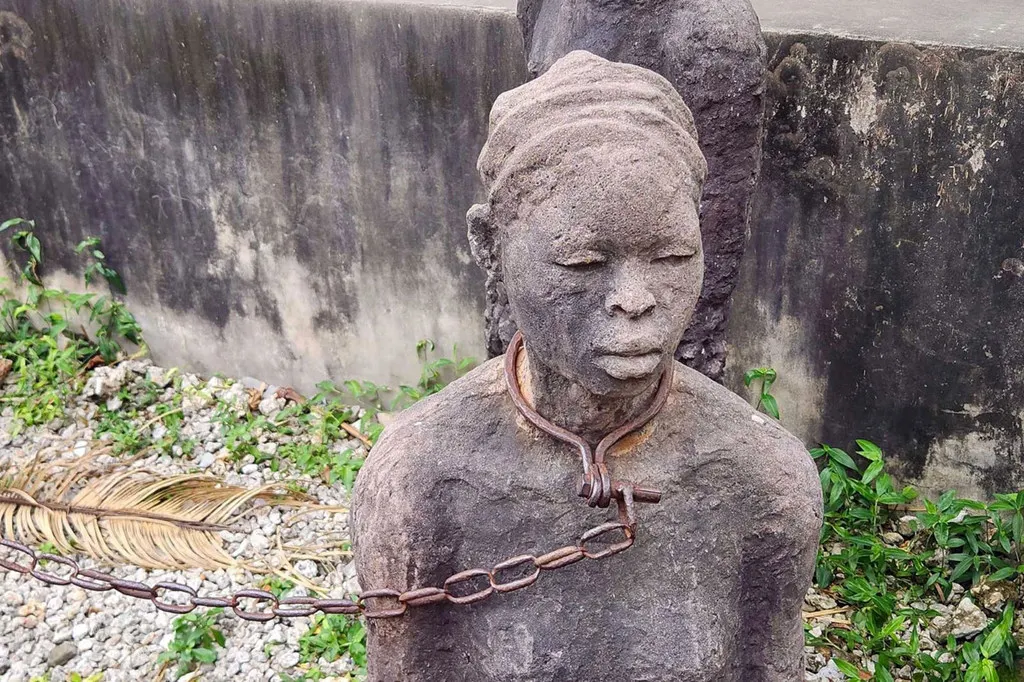
More than 50 million people around the world are living in modern slavery today, according to the latest estimates from the International Labour Organization (ILO) and the United Nations. This number includes people forced into labour, human trafficking, debt bondage, and forced marriage.
While global institutions warn that slavery is still deeply rooted in today’s economy, the United States faces its own struggle: deciding how slavery’s history should be remembered, taught, and recognised in public life.